
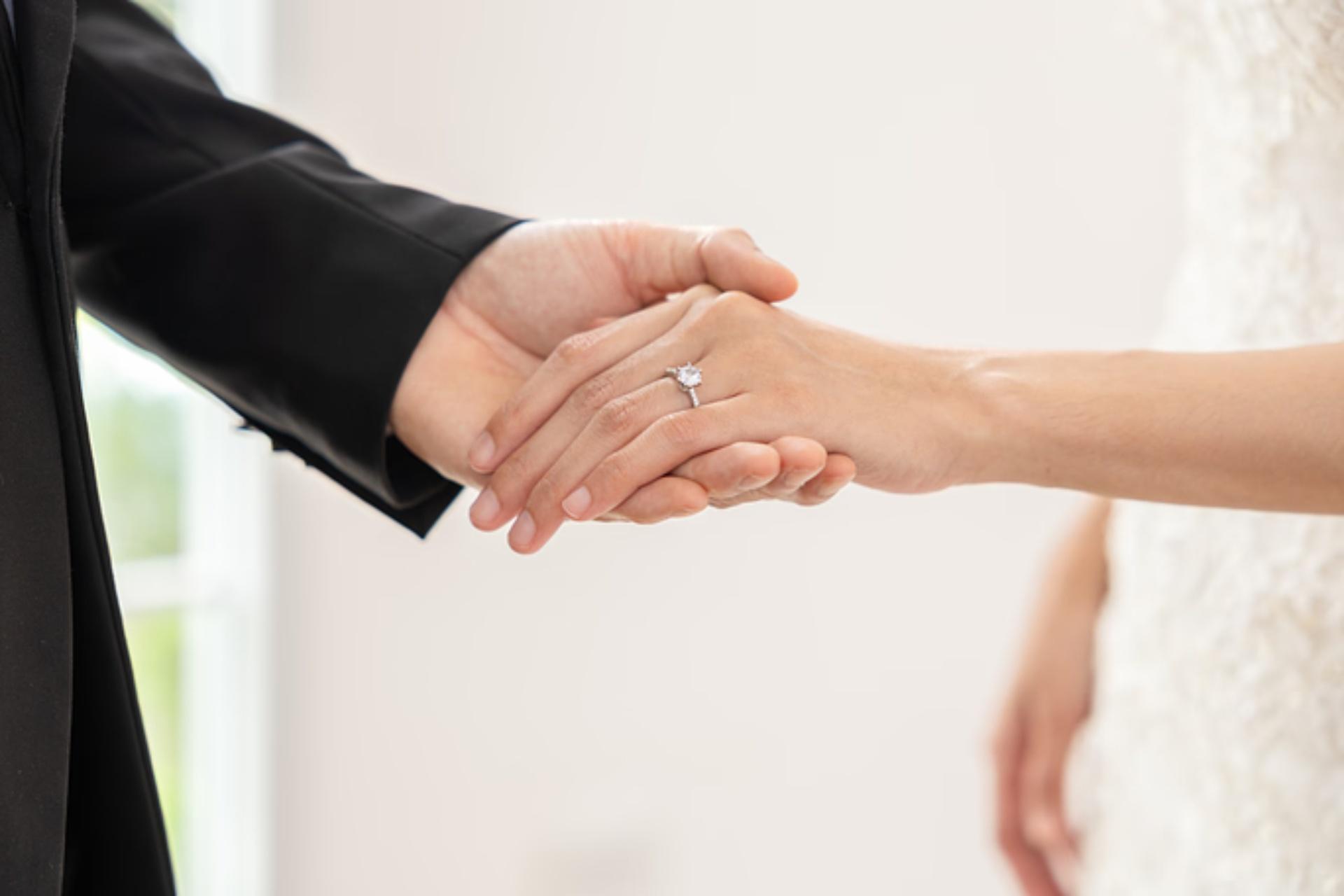
It’s a moment you both have been waiting for. You may be picking out the ring ahead of time, or you might be going together to choose. Either way, buying an engagement ring is a defining life moment, deeply personal, and can at times be entirely overwhelming. With endless options, from setting to cut, to metal, every jeweler seems to have a different opinion. But your opinion is the most important. A jeweler should provide you with a clear plan that keeps the experience fun and ultimately ends with THE ring; one that sparkles, wears well, and stays within your budget.
This guide provides practical steps for engagement ring shopping. For engagement rings in Shreveport and the Shreveport Bossier area, visit us at Madison Jean Jewelers.
Start With The Everyday Details That Matter Most
An engagement ring is often worn daily and should be comfortable to wear during real, daily life.
Lifestyle and Work: Hands-on jobs, fitness routines, and certain hobbies may point you toward lower profiles, sturdier settings, and certain metals that handle daily wear better. Someone who wears gloves often may prefer a smoother silhouette.
Personal Style: Pay attention to the jewelry your partner already wears. Look at metal color, shapes, and whether their taste is classic, modern, vintage-inspired, minimalist, or bold.
Comfort: Comfort-fit bands, rounded edges, and the right width make a big difference. A ring can look perfect and still feel annoying on the hand. Try on several widths and shapes.
Decide What You Want The Ring To Say
Before you compare stones, get clear on the overall look you’re after.
Setting Style Options That Work Well For Daily Wear
- Solitaire: Clean, timeless, and easy to pair with a wedding band.
- Halo: Adds presence and sparkle without needing a large center stone.
- Three-stone: A classic look with meaning and strong visual balance.
- Hidden halo or under-gallery details: Subtle sparkle and design interest without changing the top view.
- Bezel or semi-bezel: Great protection for active lifestyles with a sleek, modern look.
- Cathedral: Adds height and drama while keeping the center secure.
A good jeweler will let you compare these styles side by side and explain how each one holds up over time.
Choose Your Metal With Durability In Mind
Metal choice changes the look, feel, and long-term maintenance.
14k vs 18k Gold:
14k gold is popular for engagement rings because it tends to be more durable for daily wear. 18k gold has a richer color and higher gold content, but it can show wear a bit faster.
White Gold vs Platinum:
White gold is typically rhodium-plated for a bright white finish. Over time, it may need re-plating to maintain that look. Platinum is naturally white and develops a soft patina with wear. Many people love that patina; others prefer occasional polishing.
Yellow vs Rose Gold:
Both are strong choices and can make a diamond stand out more warmly. Rose gold has a romantic tone and looks great on many skin tones.
Try the metal colors on your hand in person. Lighting matters, and the best jewelry stores will have you view pieces under different lights so you can see what you actually like.
Set A Budget That Supports What You Care About
A helpful approach is deciding where you want to spend and where you want flexibility:
- Center stone size
- Cut quality and sparkle
- Setting complexity and side stones
- Metal choice
- Custom touches and future upgrades
- Warranty, maintenance plan, and service
A ring should never be a financial burden. A strong jeweler will respect your budget and show options that look and feel special within any budget.
Understand the 4Cs
Cut, color, clarity, and carat. These are the 4Cs that matter most.
Cut (often the biggest factor in sparkle):
A well-cut diamond can look brighter and more lively than a larger diamond with a weaker cut. Cut affects how light moves through the stone.
Carat (size):
Carat is weight, not face-up size. Two diamonds can share the same carat and look completely different based on shape and cut.
Color (how “white” the diamond looks):
Diamond color grading is about how much natural warmth (a slight yellow or brown tint) is present. The grading scale runs from D (most colorless) down through the alphabet as the warmth becomes easier to see.
Two things to remember:
- You usually notice color more when the diamond is loose than when it is set in a ring.
- The metal color and the setting change what your eye sees.
Clarity:
A diamond can have tiny inclusions and still look clean to the naked eye. Many people choose “eye-clean” instead of paying for clarity grades they cannot see.
Ask your jeweler to show diamonds under magnification and at normal viewing distance. The goal is what looks good on the hand, not just what looks good on paper.
Pick A Shape That Fits Their Style
Shape changes the personality of the ring and can influence the budget.
- Round: Classic sparkle, often higher price per carat.
- Oval: Elongated look that can appear larger face-up.
- Cushion: Soft, romantic, vintage-friendly.
- Emerald: Clean lines, bold clarity, a refined look.
- Pear: Unique, flattering, can feel both classic and modern.
- Princess: Sharp, bright, and structured.
- Marquise and radiant: Statement shapes with strong presence.
For engagement rings, it helps to try on shapes even if you think you already know. Many people change their minds once they see the stone on their hand.
Think About Durability And Future Maintenance
A ring is a long-term piece. Ask about the parts that keep it safe.
Prongs:
Prongs wear down over time. A ring with delicate prongs may need more frequent checks to ensure it holds your diamond snugly.
Band Thickness:
Very thin bands can bend or warp with daily wear. A jeweler can suggest proportions that keep the ring elegant and still sturdy.
Stone Security:
Settings like bezel, halo, and well-built prongs help protect the center stone. A secure setting is especially important for those with active lifestyles.
Ask what maintenance is included. Many reputable jewelers offer cleanings and inspections that help prevent bigger issues later.
Consider Custom Work For A Truly Personal Ring
Custom does not have to mean complicated. It can be as simple as choosing a unique setting, adding an engraving, reworking a family stone, or changing the profile for comfort.
Custom jewelry design is also a great option when you have a clear vision and cannot find it in a jewelry store case. A custom process often includes:
- Style and budget consultation
- Sketches or CAD design
- Stone selection
- Wax or 3D model review in some cases
- Hand finishing and final fitting
Ask how long the process takes and what revisions are included. A good jeweler will keep you informed and show you exactly what you are approving.
A Practical Checklist To Bring Into The Store
Use this list when you visit a jeweler:
- Preferred metal color (or top two)
- Two to three setting styles you like
- Ring size estimate (or plan to size discreetly)
- A realistic budget range
- Notes about lifestyle and comfort preferences
- Timeline for proposal date
- Preference for lab-grown or natural diamonds, if you have one
- Any heirloom stones or jewelry you may want to reuse
Final Thoughts And Next Step
The best engagement ring is the one that fits the person wearing it and the life they live. It’s the ring that stops them in their tracks and brings forth an easy “Yes!” A trusted jeweler will listen, educate without pressure, and guide you toward choices that feel right.
Madison Jean Jewelers helps couples across Shreveport and the Shreveport Bossier area compare styles, understand diamond options, and create rings that are made to be worn every day. Visit us in-store to try on settings, explore stone shapes, and talk through a plan that fits your style and budget.
